Congestive Heart Failure in Dogs
Congestive heart failure (CHF) occurs when a dog's heart can no longer pump blood efficiently enough to meet the body's needs. Fluid may then collect in the lungs or abdomen. Common underlying causes include degenerative mitral valve disease and dilated cardiomyopathy. Signs include coughing, faster or more laboured breathing, reduced stamina, restlessness at night, a swollen abdomen, poor appetite or fainting. Any dog struggling to breathe needs urgent veterinary attention.
Diagnosis may involve listening to the heart and lungs, chest radiographs, blood tests and echocardiography. Treatment depends on the cause and stage. A vet may prescribe a diuretic such as furosemide to reduce fluid build-up, pimobendan to improve cardiac function, or medicines such as an ACE inhibitor or spironolactone. Doses may need adjustment as the condition changes.
Give every medicine exactly as prescribed and never stop heart treatment suddenly unless your vet advises it. Monitoring your dog's sleeping respiratory rate, appetite, weight, energy and coughing can help identify changes early. With regular reviews and consistent medication, many dogs continue to enjoy comfortable routines and good quality time at home.
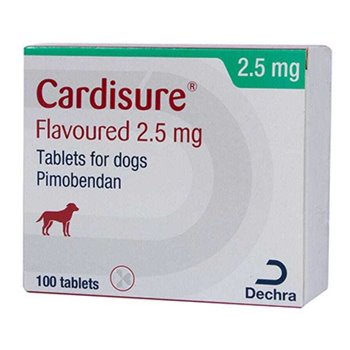
Medications for Congestive Heart Failure in Dogs include: Vetmedin, Cardalis, Libeo, Cardisure and Upcard
Chronic Kidney Disease in Cats
Chronic kidney disease (CKD) is a gradual loss of kidney function and is common in older cats. The kidneys become less able to concentrate urine, remove waste products and maintain fluid, mineral and electrolyte balance. Cats may drink and urinate more, lose weight, eat less, vomit, seem tired or develop a dry, unkempt coat.
Vets diagnose and stage CKD using blood tests, urine tests, blood pressure measurement and imaging. Results may show changes in creatinine, urea, SDMA, urine concentration, phosphorus or urinary protein. Staging helps the veterinary team choose treatment and monitoring intervals.
Management is individual. A renal diet is often central because it controls phosphorus and provides carefully balanced protein and energy. Some cats also need medicines for hypertension, proteinuria, nausea, poor appetite or low potassium. Phosphate binders may be recommended when dietary control is not enough. Maintaining hydration is important, and some cats benefit from additional fluids under veterinary direction. Regular checks allow treatment to be adjusted early. Contact your vet promptly if your cat stops eating, repeatedly vomits, becomes markedly weak or appears dehydrated.
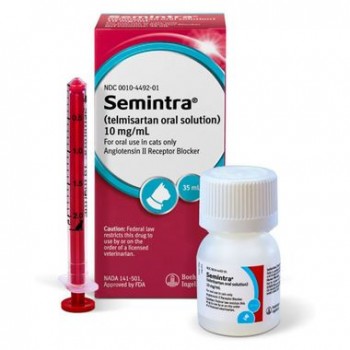
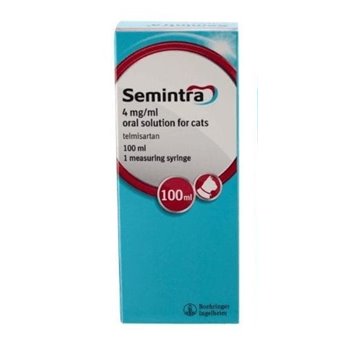
Medications for Chronic kidney disease in cats include: Semintra
Joint Problems/Arthritis
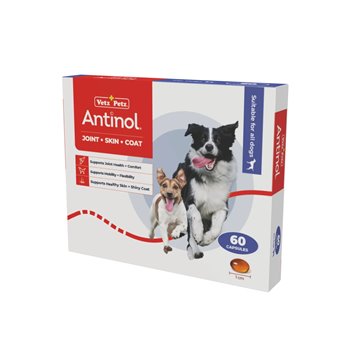
Joint problems can affect pets, although osteoarthritis is more common in older animals and those with previous injury, joint dysplasia or excess weight. Osteoarthritis is a progressive condition in which cartilage and other joint tissues deteriorate, causing inflammation, stiffness and chronic pain. A dog may hesitate before stairs, lag behind on walks or struggle to rise, while a cat may stop jumping, groom less or become irritable when handled.
A veterinary examination is important because lameness and reduced mobility can have several causes. The vet may assess gait, joint movement and muscle mass, and may recommend radiographs. Treatment is usually multimodal. Weight management, controlled low-impact exercise, physiotherapy and changes such as ramps, non-slip flooring and supportive bedding can reduce strain.
Medicines may include veterinary non-steroidal anti-inflammatory drugs, analgesics or licensed monoclonal antibody injections, depending on the pet and any other health conditions. Joint supplements may form part of a plan. Never give human painkillers, as some are highly toxic to pets. Ongoing reviews help maintain comfort while checking for side effects and changes in mobility.
Medications for Arthritis in dogs include: Librela, Metacam, Galliprant and Rimadyl
Diabetes in Cats
Diabetes mellitus develops when a cat cannot produce enough insulin to keep blood glucose within a healthy range. Hyperglycaemia causes glucose to spill into the urine, drawing extra water with it. Typical signs include increased thirst and urination, weight loss despite a good appetite, reduced energy and weakness in the back legs.
Diagnosis involves blood and urine tests, while fructosamine may help assess average glucose levels. Treatment commonly involves insulin injections, although selected cats may be suitable for an oral diabetes medicine. Your vet will decide which approach is appropriate after checking the cat's health and ketone status. A feeding and medication routine is important, and weight management can improve insulin sensitivity.
Home monitoring may include appetite, water intake, weight and urine output, alongside glucose or ketone testing when recommended. Glucose-lowering medicines can cause hypoglycaemia. Warning signs include sudden weakness, trembling, poor coordination, unusual sleepiness, seizures or collapse. Offer food if the cat is conscious and seek urgent veterinary advice. Many diabetic cats remain well with monitoring, and some achieve remission. Treatment should never be changed without veterinary guidance.
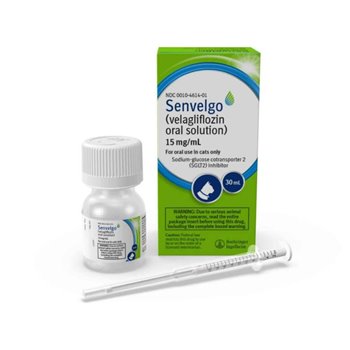
Medications for Diabetes in cats include: Prozinc and Senvelgo
Cushing's Disease in Dogs
Cushing's disease, or hyperadrenocorticism, occurs when a dog's body is exposed to excessive cortisol. Most cases are linked to a pituitary tumour that overstimulates the adrenal glands, while others are caused by an adrenal tumour. Long-term corticosteroid treatment can produce similar signs.
Affected dogs often drink and urinate more, seem hungry, pant excessively and develop a rounded or pot-bellied appearance. Muscle weakness, thin skin, symmetrical hair loss, recurrent skin or urinary infections and slow wound healing may also occur. These signs overlap with other diseases, so diagnosis requires blood and urine tests followed by specific endocrine testing. Imaging may help identify the underlying type.
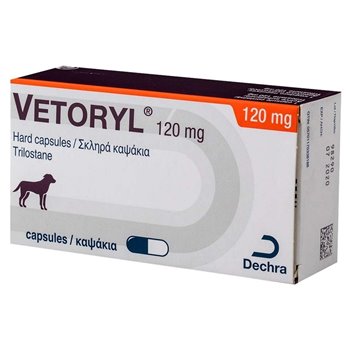
Trilostane is commonly prescribed to reduce cortisol production, while surgery or specialist treatment may suit selected pituitary or adrenal cases. Treatment requires regular reviews and blood tests because the dose may need to change. Give capsules exactly as directed, with food when specified. Contact your vet urgently if a treated dog develops vomiting, diarrhoea, marked lethargy, weakness, loss of appetite or collapse, as these can indicate that cortisol levels have fallen too low.
Medications for Cushing's disease in dogs include Vetoryl, Trilotab and Trilocur
Itchy Skin & Allergies in Dogs
Persistent itching, or pruritus, is uncomfortable and can damage a dog's skin. Common causes include flea allergy dermatitis, atopic dermatitis, food hypersensitivity, mites and secondary bacterial or Malassezia yeast infections. Dogs may scratch, lick their paws, rub their face, chew the skin or develop redness, scabs, hair loss, odour and ear inflammation.
Successful treatment starts with identifying likely triggers and controlling infection. Your vet may use skin cytology, coat combing, skin scrapings, parasite treatment or an elimination diet. Allergy testing can help plan allergen-specific immunotherapy in suitable cases, but it does not replace a clinical assessment.
Treatment may combine flea control and medicated shampoos, wipes or mousses with prescription anti-pruritic medicines. Options include oclacitinib, lokivetmab, ciclosporin or corticosteroids, chosen according to age, health and the pattern of disease. Antibiotic or antifungal treatment is used when infection is confirmed or suspected. Avoid human creams and leftover medicines unless your vet approves them. Seek prompt advice if the skin is wet, painful or rapidly worsening, or if facial swelling or breathing difficulty develops. Long-term allergy care often requires several coordinated measures.
Medications for Itchy Skin & Allergies in Dogs include Cytopoint, Zenrelia, Numelvi and Apoquel
Behavioural Problems in Dogs
Behavioural changes are not a dog being difficult. Fear, anxiety, frustration, inadequate socialisation, learned responses and medical problems can all influence behaviour. Concerns include separation-related distress, noise phobias, reactivity, aggression, compulsive behaviour, house soiling, excessive barking and destructive activity. A sudden change can be caused by pain, neurological disease or sensory loss.
A veterinary assessment is the starting point, particularly when behaviour changes quickly or creates a risk to people or animals. The vet will consider the dog's medical history, routine, triggers and body language. Videos recorded safely at home can provide useful context. Referral to a qualified clinical animal behaviourist may be recommended.
Management combines environmental changes, predictable routines and reward-based behaviour modification. Punishment can increase fear and make aggression less predictable. Pheromone products or calming supplements may help some dogs, while prescription anxiolytic medication may be considered when distress is severe. Medication works best alongside a structured behaviour plan rather than as a substitute for training. Seek urgent professional help if there is serious aggression, self-injury, panic, collapse or a sudden loss of normal awareness.
Medications for Behavioural Problems in Dogs include Reconcile and Fluoxevet
Ear Problems in Dogs and Cats
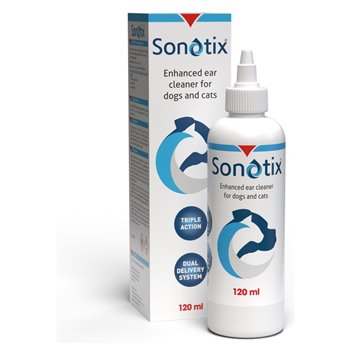
Ear problems are common in dogs and cats. Otitis externa is inflammation of the outer ear canal and may be linked to allergies, ear mites, moisture, skin disease or overgrowth of bacteria and yeast. Signs include head shaking, scratching, redness, odour, discharge, pain and reluctance to have the ears touched. A head tilt, loss of balance or unusual eye movements may indicate deeper ear involvement and need prompt assessment.
A vet may examine the canal with an otoscope and take a sample for cytology to identify bacteria, yeast or parasites. The eardrum should be assessed because some products are unsuitable if it is damaged. Treatment may include a veterinary ear cleaner, topical antibacterial or antifungal medication, an anti-inflammatory ingredient or parasite control. Severe or chronic cases may need oral medication, cleaning under sedation or further tests.
Use ear products only as directed and complete the recommended course. Cotton buds can push debris deeper and injure the canal. Recurrent otitis often reflects an underlying allergy or skin disorder, so follow-up appointments are important for preventing repeated flare-ups and narrowing of the ear canal.
The most commonly prescribed medication for Otitis externa in Dogs is Neptra, but Neptra cannot be used in cats
Diarrhoea and Digestion
Diarrhoea may be acute, or chronic when it persists or repeatedly returns. Causes include scavenging, a rapid diet change, food intolerance, stress, parasites, pancreatitis and chronic enteropathy. Stool appearance and frequency, with vomiting, appetite, energy and hydration, help indicate how urgently a pet needs veterinary care.
A mild, short-lived episode in a bright adult pet may settle with fresh water and small portions of an easily digested diet, if your vet considers this suitable. Probiotics or gastrointestinal diets may also be recommended. Do not give human anti-diarrhoeal medicines without advice, as they can be unsafe or mask an important problem.
Vets may use faecal tests, blood tests, imaging or a diet trial when diarrhoea is severe, recurrent or accompanied by other signs. Treatment is directed at the cause and may include fluids, parasite control, anti-nausea medication or nutritional management. Antibiotics are not routinely needed for uncomplicated diarrhoea. Contact a vet promptly for blood or black stools, repeated vomiting, abdominal pain, lethargy, dehydration or suspected toxin ingestion. Puppies, kittens, elderly pets and animals with existing disease should be assessed sooner because they can deteriorate rapidly.