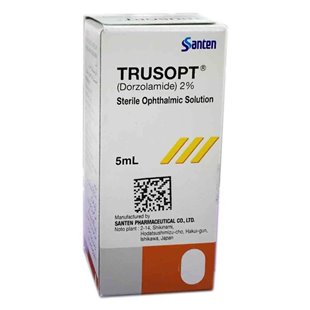
Trusopt for Dogs
Trusopt is an eye drop medicine that contains dorzolamide, a carbonic anhydrase inhibitor. In dogs, dorzolamide eye drops are commonly used under veterinary direction to help lower raised pressure inside the eye (intraocular pressure). They are most often prescribed as part of a treatment plan for glaucoma, or for other conditions where controlling eye pressure is important.
Trusopt is applied directly to the affected eye as drops. It is usually used on a regular schedule, because eye pressure can rise again when treatment wears off. Your vet will decide the correct dosing frequency and whether it should be used in one eye or both. Trusopt is available in the following strengths: 5ml 20mg/ml
A Veterinary Pet Prescription is required for Trusopt
How Trusopt works in Dogs
Inside the eye, a clear fluid called aqueous humour is continuously produced and drained. This fluid helps n...
Trusopt for Dogs
Trusopt is an eye drop medicine that contains dorzolamide, a carbonic anhydrase inhibitor. In dogs, dorzolamide eye drops are commonly used under veterinary direction to help lower raised pressure inside the eye (intraocular pressure). They are most often prescribed as part of a treatment plan for glaucoma, or for other conditions where controlling eye pressure is important.
Trusopt is applied directly to the affected eye as drops. It is usually used on a regular schedule, because eye pressure can rise again when treatment wears off. Your vet will decide the correct dosing frequency and whether it should be used in one eye or both. Trusopt is available in the following strengths: 5ml 20mg/ml
A Veterinary Pet Prescription is required for Trusopt
How Trusopt works in Dogs
Inside the eye, a clear fluid called aqueous humour is continuously produced and drained. This fluid helps nourish the eye and maintain its normal shape. Eye pressure rises when the eye produces too much fluid, the drainage pathway does not work properly, or both.
Dorzolamide works by blocking an enzyme called carbonic anhydrase within the structures that produce aqueous humour. When carbonic anhydrase is inhibited, the eye produces less aqueous humour, which helps to reduce intraocular pressure. Lowering pressure is important because high intraocular pressure can cause pain and can damage the optic nerve and retina.
In many dogs, dorzolamide is used alongside other glaucoma medicines that work in different ways. Combination treatment is common because glaucoma can be difficult to control with one medicine alone, especially during flare-ups.
Glaucoma in Dogs
Glaucoma is a condition where intraocular pressure becomes abnormally high and threatens the health of the eye. It is often painful, and it can lead to permanent vision loss if not treated quickly. Some cases develop gradually, while others can worsen suddenly and become an emergency.
High pressure damages delicate tissues at the back of the eye, particularly the optic nerve, which carries visual information to the brain. Damage can happen even if a dog appears outwardly calm, so it is important to treat glaucoma as a serious condition.
Types of glaucoma
Primary glaucoma usually occurs because a dog is born with an abnormal drainage angle in the eye. It is often inherited and can affect certain breeds more commonly. Primary glaucoma may start in one eye but often affects the other eye later.
Secondary glaucoma happens when another eye problem blocks normal drainage or disrupts fluid balance. Causes can include inflammation inside the eye (uveitis), lens luxation, bleeding, tumours, or severe injury.
Your vet may use these terms to explain why your dog developed glaucoma and what to expect over time.
Signs of glaucoma in dogs
Glaucoma signs can vary depending on how quickly the pressure rises. Common signs include:
- A red eye or visible blood vessels on the white of the eye
- Cloudiness of the cornea (a blue-grey haze over the surface)
- Squinting, blinking more than normal, or avoiding bright light
- Watery discharge and rubbing at the face
- A larger-looking eye (in longer-standing cases)
- A pupil that looks larger or does not respond normally to light
- Behaviour changes that suggest pain, such as hiding, restlessness, reduced appetite, or reluctance to be touched around the head
- A painful, red, cloudy eye should always be treated as urgent. Prompt treatment can protect comfort and, in some cases, preserve vision.
Glaucoma is diagnosed by measuring intraocular pressure with a device called a tonometer. Your vet may also examine the drainage angle, lens position, retina, and optic nerve. Because glaucoma can fluctuate, repeat checks are often needed. Monitoring helps your vet confirm whether treatment is controlling pressure and whether the plan needs adjusting.
If one eye has glaucoma, the other eye may be assessed regularly. In some dogs, the “unaffected” eye is treated preventatively, depending on the suspected cause and risk level.
Using Trusopt correctly
Eye drops work best when they are used consistently and applied properly.
- Wash your hands before and after use.
- Avoid touching the bottle tip to the eye, eyelids, fingers, or fur.
- Gently hold the upper eyelid open and place the drop into the eye pocket.
- If your dog needs more than one type of eye drop, your vet will usually advise leaving a short gap between medications so each drop can be absorbed.
- If you miss a dose, follow your vet’s advice. Do not double up unless told to do so.
Some dogs tolerate drops better if they are rewarded with calm praise and a small treat afterwards. Keeping the routine predictable can make treatment easier over time.
Some dogs experience mild, short-lived effects after drops are applied, such as:
- A brief stinging sensation
- Increased tearing
- Mild redness
Less commonly, irritation may persist, or the eyelids may appear inflamed. Because dorzolamide is related to sulphonamide-type medicines, your vet may be cautious in dogs with a known sensitivity. Tell your vet about any other medicines your dog is taking and any eye products you are already using.
If your dog’s eye becomes suddenly more painful, markedly red, very cloudy, or vision appears worse, contact your vet urgently. These changes can indicate a pressure spike or a complication that needs immediate reassessment.