Diabetes mellitus in cats is a common endocrine disorder where the body cannot regulate blood glucose (sugar) properly. In Feline Diabetes, either the pancreas does not produce enough insulin, or the cat’s tissues become less responsive to insulin, so glucose stays in the bloodstream instead of moving into cells for energy. The result is persistent hyperglycaemia, and over time this can affect hydration, body weight, the immune system and nerve function.
Cats do not need to look dramatically unwell for Feline Diabetes to be present, so small changes in drinking and weight are worth checking. Hearing the word “diabetes” can feel frightening, but many cats do very well with steady care and regular veterinary support. Once a routine is established, it often becomes another part of daily life, like feeding and litter‑tray cleaning. Feline Diabetes is also one of the few chronic conditions where some cats can achieve clinical remission, meaning they no longer need medication for a period of time, especially when it is caught early and managed consistently.
Most cats develop a form of diabetes similar to type 2 diabetes in people, where insulin resistance plays a large role alongside reduced function of the insulin‑producing beta cells in the pancreas. Excess body fat changes how the body responds to insulin, and it can lead to a cycle of worsening hyperglycaemia and “glucose toxicity”, where high glucose further suppresses pancreatic function. Risk factors for Feline Diabetes include being middle‑aged or older, being male, being overweight, and having a low activity level. Some medicines, particularly prolonged courses of corticosteroids or progestagens, can reduce insulin sensitivity, and certain medical conditions can complicate regulation, including pancreatitis, chronic dental disease, hyperthyroidism and acromegaly. None of this means you have done anything wrong; it simply helps your vet build a complete clinical picture and choose the safest plan for your cat’s Feline Diabetes.
Cats often show noticeable changes when glucose control is slipping, although the signs can be easy to miss at first. Common features of Feline Diabetes include:
- increased thirst (polydipsia) and increased urination (polyuria), sometimes with larger clumps in the litter tray
- increased appetite (polyphagia) with weight loss, because glucose is not being used efficiently
- lethargy, reduced grooming, a dull coat, or recurrent infections such as urinary tract infections
- weakness in the back legs from diabetic neuropathy, sometimes seen as a “plantigrade” stance where the hocks drop towards the floor
- occasional vomiting, dehydration, or reduced appetite if the condition is more advanced
Some cats also become more irritable, hide more, or seem unsettled at night because they do not feel quite right. It is sensible to arrange a veterinary check if these changes last more than a day or two, because early Feline Diabetes can look like many other common problems and simple tests can provide clarity. If you notice rapid or laboured breathing, marked tiredness, dehydration, collapse, or a sweet/acetone smell on the breath, these can be red flags for diabetic ketoacidosis (DKA), which is an emergency and needs prompt treatment.
Diagnosis usually starts with a clinical history and a physical examination, followed by blood and urine testing. Your vet will look for persistent hyperglycaemia and glucosuria (glucose in the urine), and may check for ketones if there is concern about ketosis. Because cats can develop stress hyperglycaemia at the veterinary practice, many vets also use fructosamine, which reflects average blood glucose over the previous one to two weeks and supports a confident diagnosis of Feline Diabetes. Monitoring does not have to be daunting, and your vet can guide you towards an approach that fits your cat’s temperament. Home blood glucose testing with a handheld meter, periodic “curves” (multiple readings over a day), or the use of continuous glucose monitoring systems can all help assess glycaemic control while avoiding repeated stressful clinic visits. Urine glucose and ketone checks can also be useful for some cats with Feline Diabetes, particularly if they are off their food or unwell.
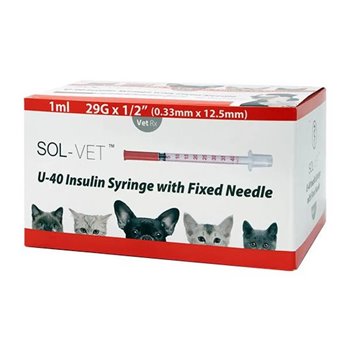
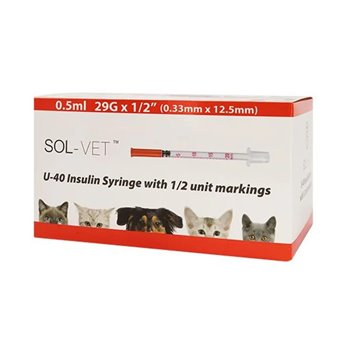
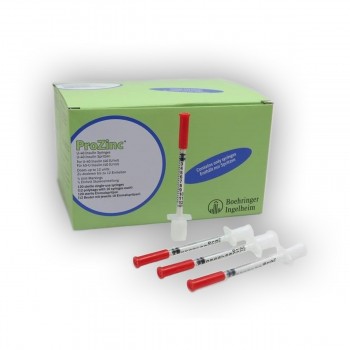
Treatment is individual, but it usually combines nutrition, weight management and glucose‑lowering medication. A carbohydrate‑restricted, high‑protein wet diet can reduce post‑meal glucose spikes and support lean body mass, and gradual weight loss can improve insulin sensitivity in overweight cats with Feline Diabetes. Many cats need insulin injections, and your vet may prescribe products such as ProZinc (often written as Prozinc), a protamine zinc insulin formulated for cats. ProZinc is administered by subcutaneous injection, commonly on a twice‑daily schedule around meals, and it is supplied at a U‑40 strength, which means the correct U‑40 syringes must be used. Dose adjustments should be made only with veterinary advice, because too much insulin can cause hypoglycaemia. For some newly diagnosed cats, your vet may discuss Senvelgo, an oral solution in the SGLT2 inhibitor class (velagliflozin), which can improve glycaemic control in selected cats that have not previously been treated with insulin. Senvelgo is not suitable for every cat with Feline Diabetes, and careful patient selection and monitoring for ketones is important because diabetic ketoacidosis, including euglycaemic DKA, can occur and requires urgent veterinary care.
Living with Feline Diabetes is usually about building predictable habits and having the right tools ready, rather than doing anything complicated. Many owners keep a simple log of appetite, water intake, body weight, medication times, and home glucose or urine ketone results, which gives your vet a clearer picture than one‑off readings. It is also helpful to recognise the signs of hypoglycaemia, such as wobbliness, weakness, disorientation, unusual hunger, tremors or seizures, and to have an agreed action plan with your veterinary practice. Practical supplies like test strips, lancets, ketone strips, a sharps bin, and suitable wet food can reduce last‑minute stress, and consistent mealtimes make Feline Diabetes easier to regulate. If your cat is using insulin, you will also want correct syringes and safe storage; if your cat is on an oral option, you will still need regular checks and an eye on appetite, drinking and behaviour. With support, clear monitoring, and a plan you trust, managing Feline Diabetes can feel steady and achievable.
What are the early signs of Feline Diabetes in cats?
Early Feline Diabetes often shows as increased thirst and larger urine clumps, alongside weight loss despite a good appetite. You might also notice lethargy, a dull coat, or more litter‑tray accidents. Because these signs can overlap with other conditions, a prompt veterinary check and simple tests are the safest next step.
How is Feline Diabetes diagnosed by a vet?
Vets usually diagnose Feline Diabetes using a history of symptoms plus blood and urine tests. They look for persistent hyperglycaemia and glucosuria, and may check ketones. Because stress can raise glucose in cats, fructosamine is often used to confirm longer‑term glucose elevation and improve accuracy.
What is Senvelgo, and when might it be used for Feline Diabetes?
Senvelgo is an oral SGLT2 inhibitor (velagliflozin) that can improve glycaemic control in selected cats with Feline Diabetes that have not previously received insulin. It is not appropriate for every cat, and monitoring for ketones is important because diabetic ketoacidosis, including euglycaemic DKA, can occur.
What are the signs of hypoglycaemia in a diabetic cat?
Hypoglycaemia can happen if glucose drops too low in Feline Diabetes treatment. Signs include sudden weakness, wobbliness, disorientation, unusual hunger, tremors and, in severe cases, seizures or collapse. Treat this as urgent, offer food if your cat will eat, and contact a vet immediately for advice.
Will my cat need diabetes supplies long term?
Many cats with Feline Diabetes need ongoing supplies such as insulin syringes or oral dosing tools, glucose test strips, lancets and ketone strips. Even if a cat enters remission, periodic checks are still sensible. Having supplies organised reduces stress and makes it easier to spot changes early and respond quickly.