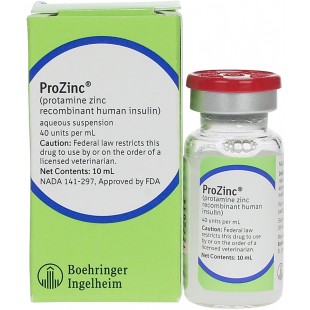
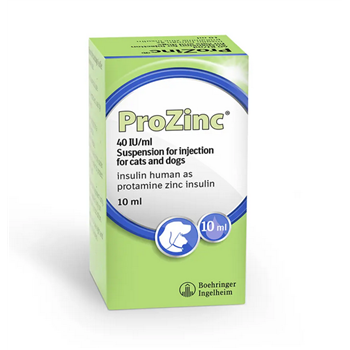
Prozinc Insulin for Cats and Dogs is a prescription insulin used to help manage diabetes mellitus in pets. When a dog or cat has diabetes, the body is no longer able to regulate blood glucose properly, usually because there is not enough natural insulin being produced by the pancreas, or because the body cannot use insulin effectively. This leads to persistent hyperglycaemia, which can make pets feel unwell and, over time, can affect many body systems.
Prozinc is designed to replace part of the insulin the body is missing, helping glucose move from the bloodstream into the cells where it can be used for energy. For many pets, Prozinc Insulin becomes an important part of day-to-day care and helps restore comfort, energy, appetite, and quality of life.
Prozinc Insulin contains protamine zinc recombinant human insulin, an intermediate to long-acting insulin formulated for veterinary use. After injection under the skin, Prozinc Insulin is absorbed gradually, whic...
Prozinc Insulin for Cats and Dogs is a prescription insulin used to help manage diabetes mellitus in pets. When a dog or cat has diabetes, the body is no longer able to regulate blood glucose properly, usually because there is not enough natural insulin being produced by the pancreas, or because the body cannot use insulin effectively. This leads to persistent hyperglycaemia, which can make pets feel unwell and, over time, can affect many body systems.
Prozinc is designed to replace part of the insulin the body is missing, helping glucose move from the bloodstream into the cells where it can be used for energy. For many pets, Prozinc Insulin becomes an important part of day-to-day care and helps restore comfort, energy, appetite, and quality of life.
Prozinc Insulin contains protamine zinc recombinant human insulin, an intermediate to long-acting insulin formulated for veterinary use. After injection under the skin, Prozinc Insulin is absorbed gradually, which helps provide a smoother glucose-lowering effect over time. Its role is to reduce high blood sugar by allowing glucose to enter the body’s tissues more effectively, especially muscle and fat cells, while also helping to limit excess glucose production by the liver. Because the action of insulin is closely linked to feeding patterns, Prozinc is normally given according to a schedule recommended by your vet, often alongside regular meal times. Monitoring is an important part of treatment, and your vet may assess response using blood glucose curves, fructosamine testing, body weight, thirst levels, appetite, and urine output. The dose of Prozinc Insulin is tailored to the individual patient, because insulin requirements vary between pets and may change over time.
Diabetes in cats and dogs can look similar at first, although the underlying pattern is often slightly different between the two species. Diabetic dogs usually need lifelong insulin treatment because the insulin-producing beta cells of the pancreas are often permanently damaged. In cats, diabetes can sometimes resemble type 2 diabetes in people, with insulin resistance playing a larger role, and some cats may even go into diabetic remission if the condition is stabilised early and well. Common signs include increased thirst, increased urination, weight loss, a poor coat, hunger despite losing condition, and reduced energy. Some pets also develop weakness, dehydration, or recurrent infections. Cataracts are common in diabetic dogs, while diabetic cats may show plantigrade stance, where they walk lower on their hocks due to diabetic neuropathy. In some cases, owners also notice vomiting, a sweet-smelling breath, or marked tiredness if control becomes poor. When left untreated, diabetes can progress to serious complications such as ketoacidosis, which is an emergency. This is why prompt diagnosis and consistent treatment with Prozinc Insulin matter.
A stable routine helps your pet’s body respond more predictably to treatment, so meals, exercise, and injection times should be as regular as possible. Sudden changes in food intake, treats, activity level, illness, or stress can all affect blood glucose. Most owners quickly become confident with injections once they have been shown the correct technique, and many pets tolerate them far better than expected. Your vet or veterinary nurse will explain how to store Prozinc Insulin correctly in the fridge, how to prepare the dose, and how to give it safely. It is also important to recognise signs that diabetes may not yet be well controlled, such as excessive drinking, accidents in the house, loss of weight, or a return of lethargy. Good diabetic care also includes sensible nutrition, weight management where needed, and keeping follow-up appointments so treatment can be refined. Equally, owners should be aware of possible hypoglycaemia, which can happen if blood sugar drops too low. Signs may include weakness, tremors, disorientation, unusual hunger, collapse, or seizures, and urgent veterinary advice is needed if these occur.
Prozinc is often prescribed because its pharmacological profile can suit many diabetic cats and dogs, especially when a longer, gentler duration of action is helpful. That does not mean every pet will respond in exactly the same way. One animal may achieve good regulation quickly, while another needs dose adjustments and closer monitoring before things settle. Patience is important in the early stages, because improving diabetic control is usually a process rather than an instant fix. Your vet may start with a cautious dose of Prozinc Insulin and then adjust gradually based on clinical signs and test results.
What is Prozinc Insulin used for in cats and dogs?
Prozinc is used to help manage diabetes mellitus in cats and dogs. It replaces some of the insulin a pet’s body is not making or using properly, helping to lower high blood glucose and improve common diabetic signs such as thirst, weight loss, and lethargy.
How does Prozinc work?
Prozinc Insulin helps glucose move from the bloodstream into the body’s cells, where it can be used for energy. It is absorbed gradually after injection, giving a steady effect over time. This helps reduce hyperglycaemia and supports more stable diabetic control when used as prescribed.
Can Prozinc be used for both cats and dogs?
Yes. Prozinc Insulin is used in both cats and dogs with diabetes mellitus when prescribed by a veterinary surgeon. However, the dose and monitoring plan are individual to each pet, because insulin response, feeding habits, body weight, and overall health can vary significantly.
What are the signs of diabetes in cats and dogs?
Common signs include drinking more, urinating more, weight loss, increased appetite, poor coat quality, and reduced energy. Some dogs develop cataracts, while some cats develop weakness in the hind legs. These signs should always be assessed by a vet, as other illnesses can look similar.
How should Prozinc Insulin be stored?
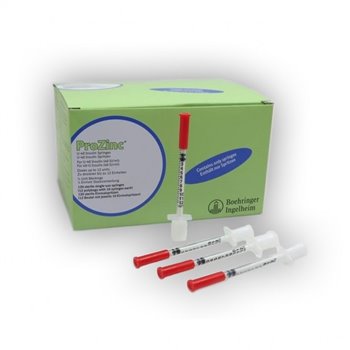
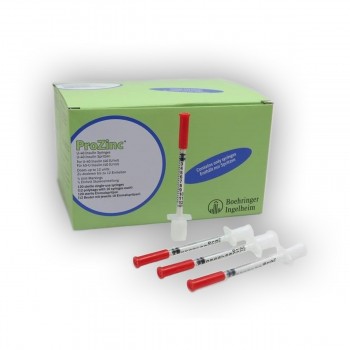
Prozinc should be stored exactly as directed by the manufacturer and your vet, under refrigerated conditions between +2 and +8 degrees. Proper storage helps maintain stability and effectiveness. Always check the label, use the correct syringes.